Victory was a deity in the Roman pantheon that symbolized the triumph of the people and their army during battles. This Roman goddess was represented as a young, winged woman holding a laurel wreath or a palm branch, which was bestowed upon the victors. So, the Roman deity was a superimposition of the Greek goddess Nike, associated with war as well as athletic and artistic competitions. In ancient Greek society, when Nike appeared alongside Athena, it signified that wisdom combined with strategy would guarantee victory.
Canada, Mexico, and the United States now face a historic calling, with millions of spectators around the world as witnesses. Will they be ready to rise to this historic challenge?
Since the 21st century, perhaps no representation of victory is more decisive than when, in a global competition, an athlete or a team rises to triumph. Unlike in antiquity, when only a few could witness the victory of athletes, today millions of people can do so. Actually, millions of people watch events such as the Olympic Games and the FIFA World Cup on every corner of the planet. For instance, in the latest edition of the Olympic Games, it is estimated that more than 3 billion people tuned in, while the 2022 World Cup in Qatar reached an audience of 5 billion viewers.
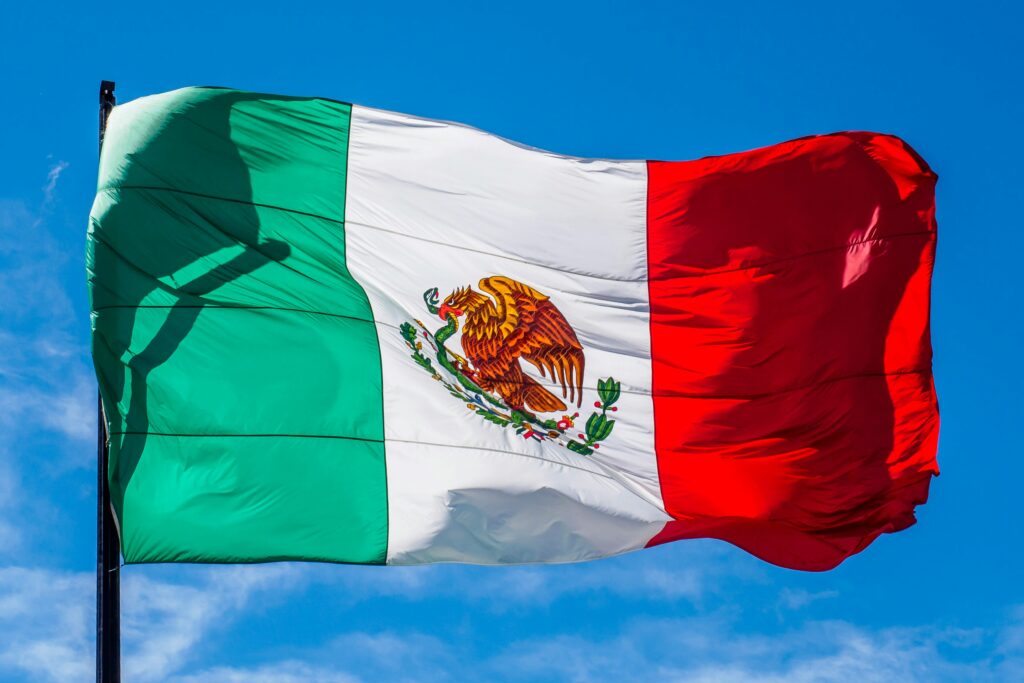
The organization of the World Cup is a historic responsibility in which host countries must prove themselves up to the task. During 2026, the 23rd edition of the World Cup will be hosted by three countries for the first time in history: Mexico, the United States, and Canada. However, the only precedent for a jointly organized World Cup was in 2002, when Japan and South Korea co-hosted the tournament. Then, Mexico will become the first country in the world to host the tournament for the third time, having previously done so in 1970 and 1986.
The Organization of the Tournament
Starting on June 11, football will once again roll across the pitches as the FIFA World Cup 2026 kicks off. The final whistle will sound on Sunday, July 19, the day the world will discover the champion of the 23rd edition of the tournament. The opening match will take place at the imposing and monumental Estadio Azteca-Banorte in Mexico City. And, final match, where the team will be crowned tournament champion, will be played in New York–New Jersey.
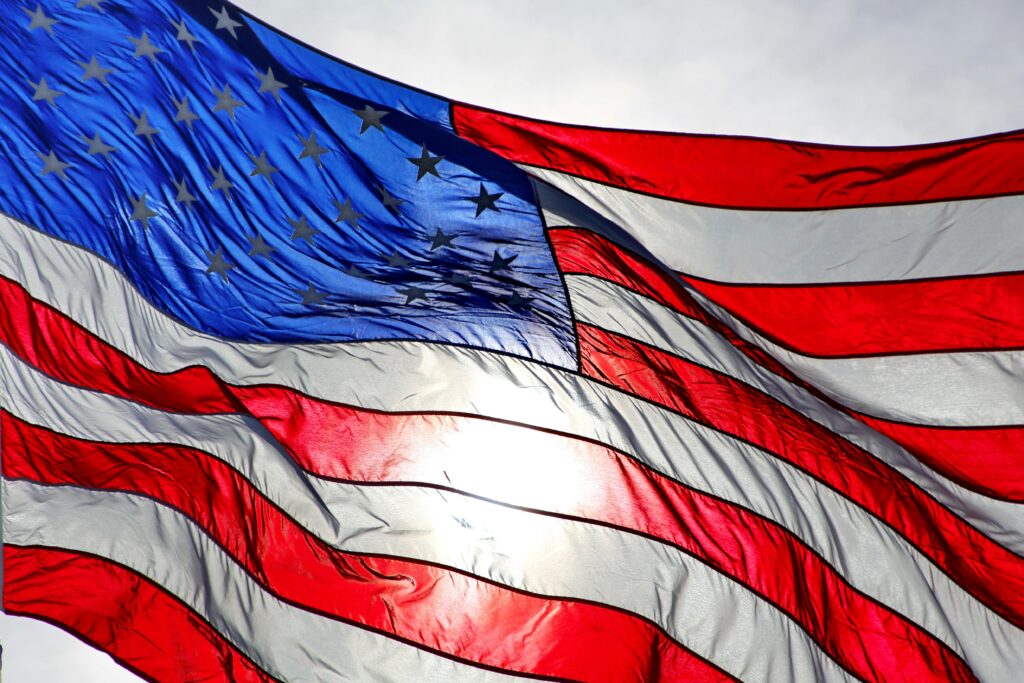
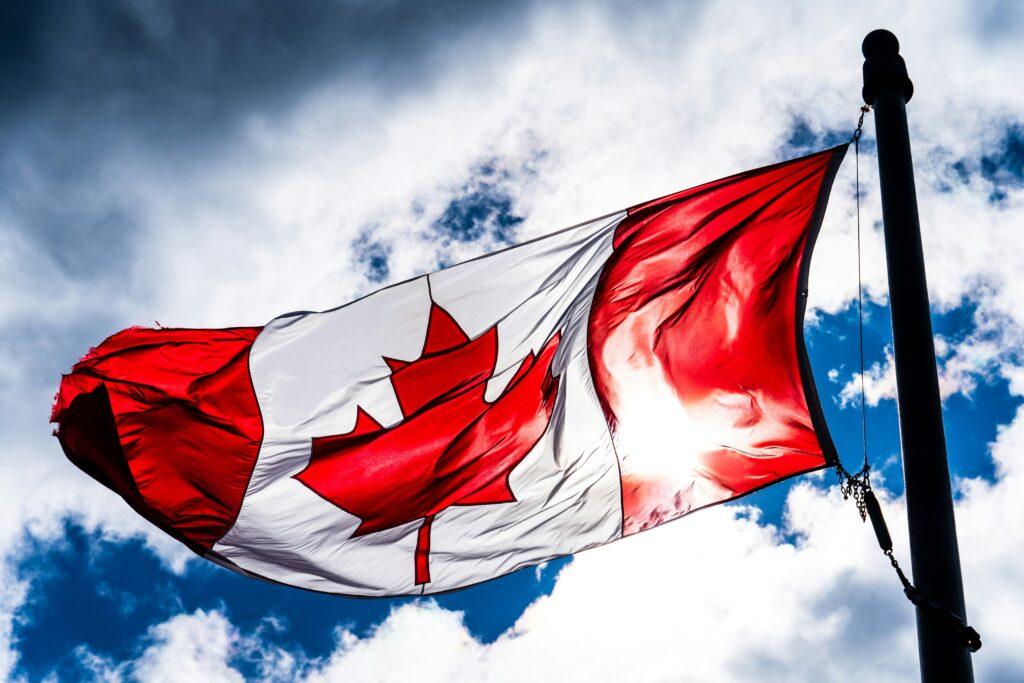
As already noted, this edition of the World Cup will be the first in history to be hosted by three countries: Canada, Mexico, and the United States. A total of sixteen cities will host the matches: in Canada, Toronto and Vancouver; in Mexico, Guadalajara, Mexico City, and Monterrey. Further, in the United States: Atlanta, Boston, Dallas, Houston, Kansas City, Los Angeles, Miami, New York–New Jersey, Philadelphia, San Francisco, and Seattle. Therefore, this edition of the FIFA World Cup will feature the largest number of stadiums in the tournament’s history, surpassing the 2002 edition, which Korea and Japan jointly hosted.
Moreover, in Canada, the host stadiums will be the Rogers Centre in Toronto and BC Place in Vancouver. In Mexico, the matches will be played at Estadio Banorte in the capital, Estadio Akron in Jalisco, and Estadio Monterrey in Nuevo León. The matches in the United States will be played at the Atlanta Stadium, Boston Stadium, Dallas Stadium, Houston Stadium, Kansas City Stadium, and Los Angeles Stadium. Additionally, matches will be hosted at the Miami Stadium, New York/New Jersey Stadium, Philadelphia Stadium, San Francisco Bay Stadium, and Seattle Stadium.
Regarding the group stage format of the FIFA World Cup 2026, the FIFA Council unanimously approved a change from 16 groups of three teams to 12 groups of four teams. Consequently, in this edition, the top two teams of each group and the eight best third-placed teams will advance to the Round of 16. Thus, contenders aiming to be crowned champions will have to play eight matches from the group stage through to the final.
As part of the preparations for the FIFA World Cup 2026, the Official Posters of the Host Cities have already been unveiled. These posters aim to showcase the cultural and artistic spirit of the host cities that will welcome the tournament next year in the United States, Mexico, and Canada. Another key aspect of the World Cup’s organization is the work of the volunteers. For FIFA, the contribution of these individuals is invaluable, as without their timely support, it would be challenging to conduct the tournament across the three host nations.
In ancient Greek society, when Nike appeared alongside Athena, it signified that wisdom combined with strategy would guarantee victory.
One Team, a Shared Victory
At IP Consultores, we recognize that 2026 will be a key year in the history of North America. Therefore, in addition to the FIFA World Cup, the USMCA will also undergo review. In this regard, it is essential to emphasize that the United States, Canada, and Mexico must engage in a broad, frank, and in-depth dialogue to reach the best possible agreements. Thus, in the context of the FIFA World Cup 2026, the fundamental issues at stake are national security and trade relations. Whether Canada, the United States, and Mexico will continue to be a competitive region, they should consolidate a secure and prosperous economic bloc.

The World Cup should be an opportunity for Canada, the United States, and Mexico to position as the most dynamic region of the 21st century. We must not overlook that North America enjoys the advantage of being heir to the incomparable legacy of the Anglo-Saxon and Hispanic traditions. As well as the contributions of Afro-descendant peoples and the continent’s Indigenous nations. The languages of North America should become the vehicle of the brightest cultural project of the 21st century. Mexico, the United States, and Canada now face a historic calling to rise and demonstrate how teamwork fosters prosperity and the development of their peoples.
Mexico will become the first country in the world to host the tournament for the third time, having previously done so in 1970 and 1986.
Finally, with this blog entry, we begin a series exclusively dedicated to the FIFA World Cup 2026. When the FIFA president hands over the World Cup trophy to the winning team, the heads of state should stand as honored guests. So, the time when political and economic disputes drove apart the three North American neighbors must remain in the past. From the conclusion of the World Cup onward, the nations of the world should remember the example set by the three host countries. Canada, Mexico, and the United States now face a historic calling, with millions of spectators around the world as witnesses. Will they be ready to rise to this historic challenge?


0 comentarios